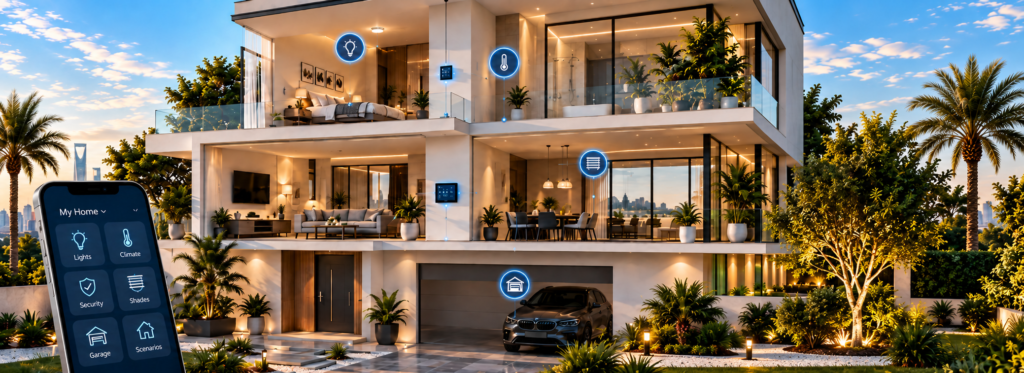
“Superior Curtain Control: Seamless Operation and Energy Savings with a Smart Home System
In the world of modern technology, smart curtains have become one of the most notable innovations, adding a touch of comfort and intelligence to our homes. Smart curtain control within a smart home system is an effective way to improve comfort and energy efficiency, making your daily life easier and more comfortable.
A smart curtain control system lets you manage curtains automatically through smartphone apps or voice commands using smart assistants such as Amazon Alexa and Google Assistant. You can set curtains to open or close at certain times of day, such as opening them in the morning to let in natural light or closing them in the evening for privacy. The system can also be programmed based on weather conditions, such as closing the curtains automatically on hot days to reduce heat gain, helping to keep a comfortable temperature inside the home.
One of the main benefits of smart curtain control is improved energy efficiency. By automatically controlling when curtains open and close, reliance on air conditioning and heating can be reduced, lowering energy consumption and energy bills. In addition, the ability to adjust curtains to the natural light entering rooms makes better use of daylight and reduces the need for artificial lighting.
Smart curtain control also enhances security and privacy. Curtains can be programmed to make the home look occupied even when you are away, helping to deter intruders. You can also manage the curtains from anywhere via the internet, giving you control over privacy and security even when you are away from home.
By integrating smart curtains into your smart home system, you can enjoy greater comfort, save energy and enhance security at home. This innovative technology adds a touch of luxury and practicality, making every aspect of your daily life more distinctive and efficient.
Articles you may like

How to Choose the Right Smart Home System for Your Project: KNX, Zigbee or Hybrid Solutions?
Smart home systems have become an essential part of modern residential projects, but the real challenge is not adding smart switches or controlling lighting and AC from a phone; it is choosing...
Read article
What Is the Difference Between a Wired and a Wireless Smart Home, and Which Is Better for New Projects?
When planning a smart home, choosing between a wired and a wireless system is one of the most important decisions, affecting the project infrastructure and how it will run in the future. Wired systems rely on dedicated cabling...
Read article
How to Design the Network Infrastructure for a Multi-Unit Residential Project
In modern residential projects, the network has become core infrastructure as important as electricity, especially as apartments and residential compounds depend on the internet, Wi-Fi, CCTV cameras, intercoms, smart homes and other systems...
Read article